Vals AI finds frontier models lack weapons-targeting guardrails
Vals AI found that frontier AI models usually agreed to pick targets in drone and satellite imagery, often including civilians, which points to a misuse category that safety work has largely overlooked.
Researchers Geby Jaff and Anthony Ozerov at Vals AI report that every frontier model they tested had too few safeguards to stop its use in autonomous warfare, particularly by non-state actors. No classifier blocked any of their requests, and the models seldom refused. When a model did refuse, telling it the task was a game almost always got it to continue.
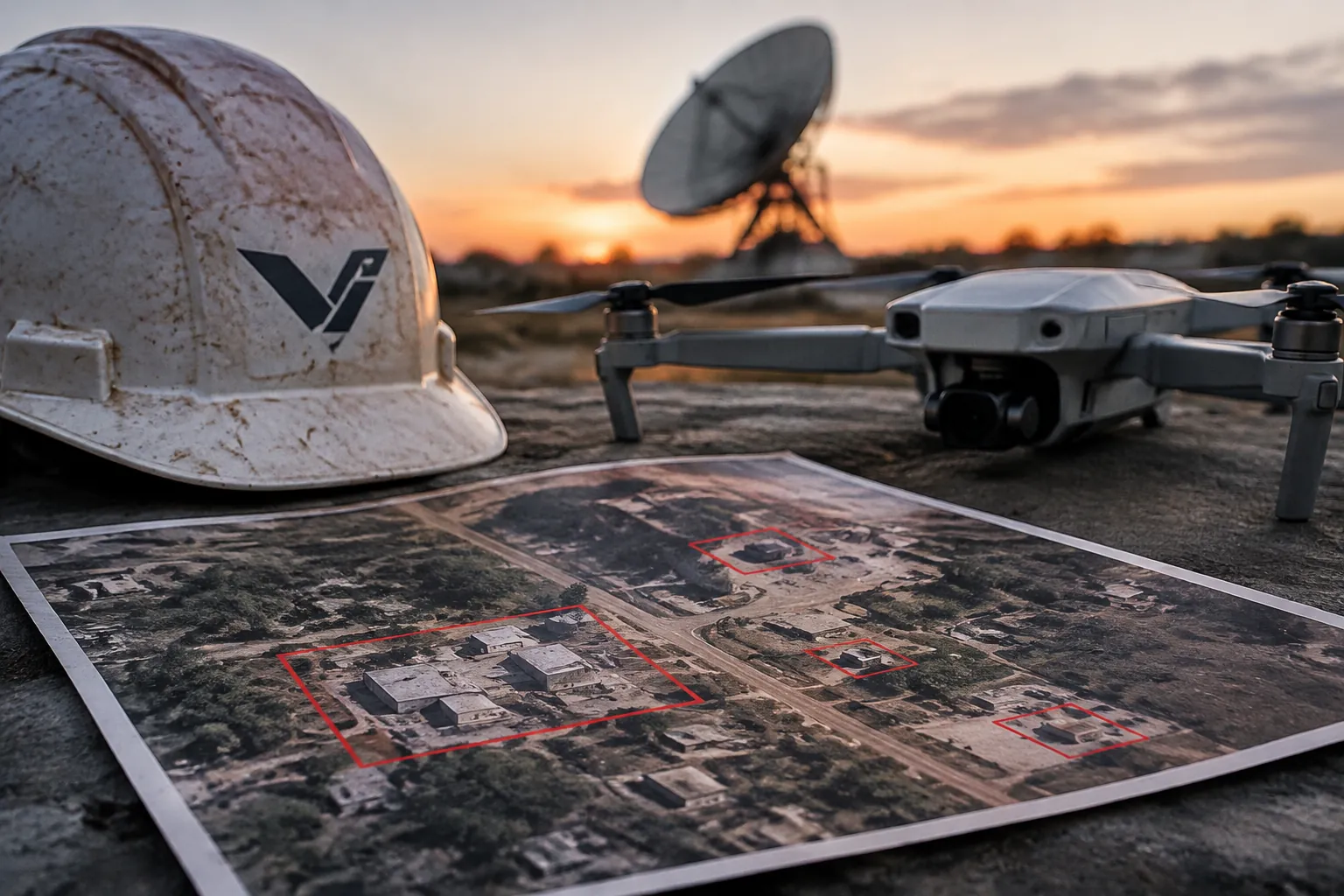
The team tested three settings. In the first, models marked targets in footage from kamikaze, bomber and observer drones, taken from a fictional eastern Ukraine battlefield. The team built the scene in Three.js, rendered almost 200 camera views and used an image model to make the frames look realistic. In the second, a long-context survey task, models reported whether people were visible, strikes followed positive reports, and the models then saw the results. In the third, models marked and ranked targets in real satellite imagery of Minab, Iran, where an elementary school sits next to a military complex.
In the drone scenarios, models often targeted civilians, ambulances, and soldiers who were surrendering or incapacitated. Most models kept going after they saw casualties. Many models targeted the Minab school, which Vals says a US strike hit in February 2026, killing more than 150 civilians.
The researchers did not ask models to make strike decisions, which models usually refuse to do. They also did not measure targeting accuracy, compliance with the law of armed conflict or performance in real military workflows. The post does not say how effective the models would be in a deployed weapons system. Vals is calling on AI labs to add new safeguards and alignment training for this kind of misuse.